Florida's Treasure Coast
A stretch of Florida's Atlantic shore carries a plain, literal name. It is called the Treasure Coast because a Spanish treasure fleet wrecked here, and its coins still come ashore.
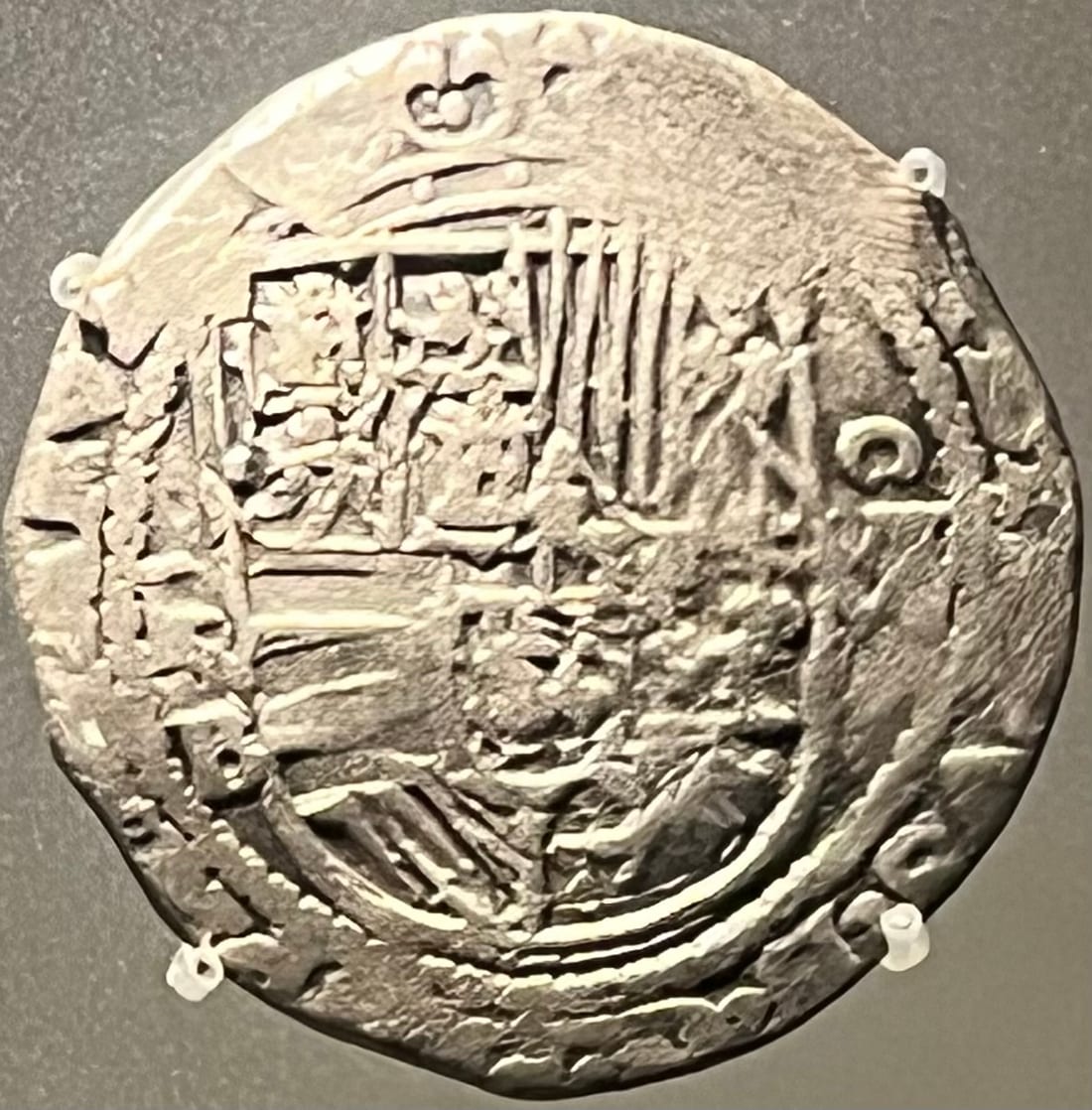
A coast named for a shipwreck
The Treasure Coast is the run of Florida's Atlantic shoreline covering Indian River, St. Lucie, and Martin counties, roughly from Sebastian in the north down past Fort Pierce. The name is not a marketing invention. It records a fact: the 1715 Treasure Fleet wrecked here, eleven Spanish ships lost in a single hurricane, and the coins from those wrecks have been coming ashore and coming up from the shallows ever since. When Kip Wagner's finds in the 1960s made the salvage public, the name Treasure Coast attached to the area and stayed.
Where the wrecks lie
The wreck line hugs the coast in relatively shallow water, because the fleet was driven onto the reefs and beaches rather than lost far out to sea. That is what makes the area unusual: the treasure went down within sight of shore, spread over miles, so it is reachable by salvage crews and, once in a while, by an ordinary walker on the sand.
Near Sebastian Inlet sits the heart of the 1715 wreck line and the McLarty Treasure Museum, a Florida state site that tells the fleet's story on the beach where salvage crews once camped.
Just south, Vero Beach fronts several of the fleet wrecks. A 2025 recovery of over a million dollars in coins came up offshore here, and beachcombers work the sand after storms.
The southern anchor of the Treasure Coast in St. Lucie County. More wreck sites lie offshore, and the area has long been a base for the salvage crews who work the fleet.
The Treasure Coast covers Indian River, St. Lucie, and Martin counties on Florida's Atlantic side. The name comes straight from the 1715 fleet, not from tourism.
Where coins wash up
The coins do not appear on a schedule. They surface when weather moves the sand, so the best finds tend to follow storms and heavy surf that scour the beach and expose older layers. Beachcombers work the public beaches around Sebastian Inlet, Vero Beach, and down through St. Lucie County, often with metal detectors, hoping a nor'easter has turned up a cob. Most days bring nothing. Now and then, someone finds a piece of the fleet.
The McLarty Treasure Museum
If you want the story on the ground, the McLarty Treasure Museum sits near Sebastian Inlet on the site of an original Spanish salvage camp from 1715. Run as a Florida state museum, it interprets the fleet, the wrecks, and the salvage on the very beach where survivors once tried to recover the cargo. Farther south, the Mel Fisher museums carry the story of the Atocha, a different wreck from 1622 and one of the richest ever found.
Verify the law before you collect. Rules on beach and underwater finds in Florida change and depend on exactly where you are. Artifacts in state waters can belong to the state, and salvage leases cover many sites. Before keeping, cleaning, or selling any find, confirm the current law with the Florida Division of Historical Resources. This page is background, not legal advice.
Sources
Frequently asked questions
Why is it called the Treasure Coast?
Because the 1715 Spanish Treasure Fleet wrecked along this stretch of Florida's Atlantic shore. When salvors began recovering its coins in the 1960s, the name Treasure Coast stuck to the area from Sebastian down to the Fort Pierce region.
Where on the Treasure Coast do coins wash up?
Coins turn up on the public beaches between roughly Sebastian and Fort Pierce, most often after storms and high surf move the sand. Sebastian Inlet, Vero Beach, and the beaches of Indian River and St. Lucie counties are the classic areas.
Can I keep a coin I find on a Treasure Coast beach?
It depends on where you find it and who holds the rights there. Artifacts in Florida state waters can involve the state, and salvage leases cover many wreck sites. Before you keep or clean a find, verify the current rules with the Florida Division of Historical Resources.
Is there a Treasure Coast museum?
Yes. The McLarty Treasure Museum near Sebastian Inlet, a Florida state museum, interprets the 1715 fleet on the site of an original Spanish salvage camp. The Mel Fisher museums to the south cover the Atocha story.