What is a piece of eight?
The coin that pirates, presidents, and the whole Atlantic trade ran on was a single silver disc: the 8 reales. Here is what it really was.
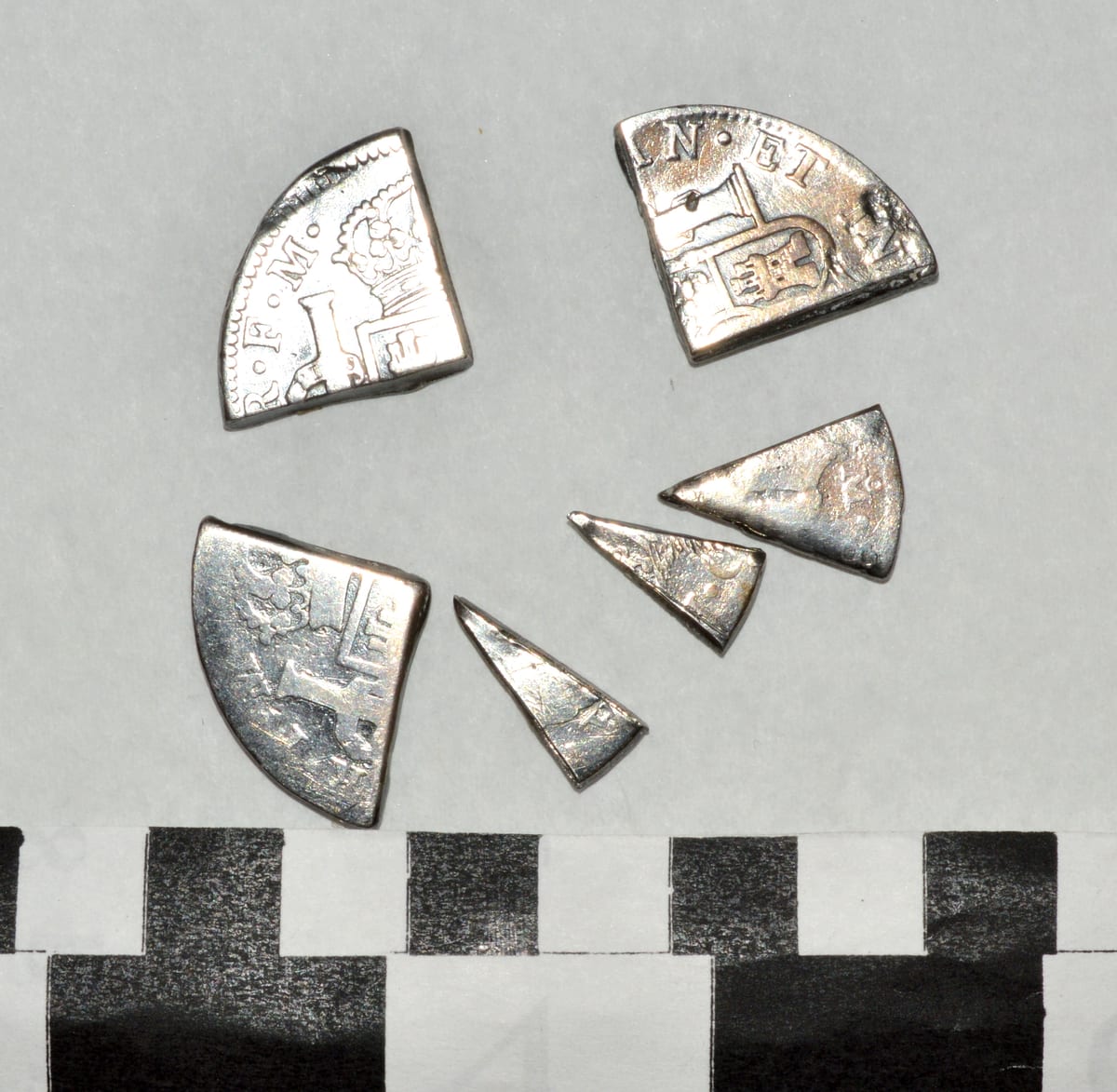
If you have ever heard the phrase in a pirate story and wondered what an actual piece of eight was, the answer is refreshingly solid: it was a coin. One large silver coin, the Spanish 8 reales, worth one peso. It was the most widely used money on Earth for close to three hundred years, and it is the direct ancestor of the dollar in your pocket. This page explains what the coin was, why it had such an odd name, and what one is worth if you are holding it today.
The coin itself
A piece of eight was a serious piece of silver. It measured about 38 millimeters across, a little wider than a modern US silver dollar, and carried roughly 25.6 grams of fine silver. The Spanish name was the real de a ocho, the “royal of eight”, because it was worth eight of the smaller silver reales. The same coin was also called the peso, meaning “weight”, and English speakers turned peso into “piece”. So a piece of eight is a piece worth eight, a coin you could reckon in eighths.
That eighth is the whole trick of the coin. Because the peso was defined as eight reales, you could literally cut it into wedges to make small change. Each wedge was one real, and people called it a “bit”. A quarter of the coin was two bits, and that phrase survives in American English as slang for a quarter, 25 cents. When you hear a barber called a “two-bit” operation, you are hearing the Spanish dollar three centuries later.
Where it came from
Spain drew enormous quantities of silver from mines in its American colonies, above all the mountain of Potosi in what is now Bolivia and the mines of Mexico. Mints at Mexico City, Potosi, Lima, and other cities turned that silver into coins, and for most of this era the coins were cobs: blanks cut from a cast bar, struck by hand between dies, and clipped to the right weight, which left them thick and irregular. Our page on cob coins covers how that rough coinage was made. From 1732 the mints added round, machine-made milled coins, including the handsome pillar dollar with its two globes between the Pillars of Hercules.
Whatever the method, the value was in the silver, and the silver was trusted. That trust is why the coin traveled so far.
The first world currency
The piece of eight did something no coin had done before: it went global. Spanish treasure fleets carried it to Europe, the Manila galleons carried it across the Pacific to Asia, and from there it moved through the ports of China, India, and the Americas. Merchants who shared no language and no ruler still agreed on the weight of Spanish silver. For a long stretch of history, this coin was the closest thing the world had to a common currency.
It mattered in North America too. Spanish dollars circulated freely in the British colonies, where hard money was scarce, and the new United States leaned on them directly. When Congress passed the Coinage Act of 1792 and defined the US dollar, it set the dollar to match the silver content of the Spanish piece of eight. The two coins circulated side by side for decades, and the Spanish dollar stayed legal tender in the United States until the Coinage Act of 1857 finally retired it. The American dollar is, in a real sense, a copy of this coin.
What a piece of eight is worth today
Here honesty matters more than excitement. The value of an 8 reales swings enormously, and most of the swing has nothing to do with the silver.
A plain, raw 8 reales with no special history, ungraded and bought from a mixed lot, can change hands for a few hundred dollars. The same denomination pulled from a named shipwreck, cleaned by a conservator, sealed in a grading holder, and sold with a salvage certificate, often asks from about $2,500 to more than $7,000 at dealer retail. Almost all of that gap is provenance and paperwork, not metal. A coin tied to the 1715 Treasure Fleet is a documented relic of a famous disaster, and buyers pay for the story.
Because the pages that rank highest for coin prices are run by dealers selling coins, the numbers you see online tend to sit at the top of the range. If you own a coin, the figure that matters is what it would bring at auction, net of fees, not the retail ask on a polished example. We keep an honest breakdown on our coin values page.
Real or replica?
Replicas are common, and many began life as honest souvenirs before someone resold them as genuine. A few quick checks catch most fakes. A real 8 reales is near 27 grams and about 38 to 40 millimeters across, so weigh and measure it. Silver is not magnetic, so a coin that jumps to a magnet is base metal. Hand-struck cobs should look hand-struck, with uneven relief and honest wear, so machine-perfect, identical detail is a red flag, as is a soft, blurry surface that suggests casting rather than striking. When real money is on the line, send the coin to a recognized grading service. Our guide to identifying a Spanish colonial coin walks through the marks that tell you what you have, and the guide to a coin found on a Florida beach covers finds fresh from the sand.
A piece of eight, then, is not a legend. It is a specific coin: eight reales of Spanish silver, cut into bits, trusted around the world, and stamped into the DNA of the dollar.
Sources
Frequently asked questions
What is a piece of eight?
A piece of eight is the Spanish 8 reales, a large silver coin worth one peso. It was about 38 millimeters across and held roughly 25.6 grams of fine silver. Sailors called it a piece of eight because the peso was divided into eight reales, or 'bits'.
How much is a piece of eight worth today?
It depends on the coin. A raw, ungraded 8 reales with no shipwreck history can sell for a few hundred dollars, while a certified 1715-Fleet cob with provenance often runs from about $2,500 to over $7,000 at dealer retail. These are asking ranges, not appraisals.
Why is it called a piece of eight?
Because the coin was worth eight reales and could be physically cut into eight wedges to make change. Each wedge was a 'bit', so a quarter of the coin was 'two bits', a phrase that still means 25 cents in American English.
Is a piece of eight the same as a Spanish dollar?
Yes. The 8 reales, the peso, and the Spanish dollar are the same coin under different names. It circulated worldwide and was the model Congress used to define the US dollar in 1792.
How do I tell a real piece of eight from a replica?
Check weight and size first: a genuine 8 reales is near 27 grams and about 38 to 40 millimeters. It should not stick to a magnet. Crisp, machine-perfect detail on a supposedly hand-struck cob, or a coin that looks cast, are warning signs. For real money, use a recognized grading service.