Found a coin on a Florida beach? What to do
You picked something dark and heavy out of the sand. Before you scrub it or sell it, read this. The first few steps decide whether you protect its value or destroy it.
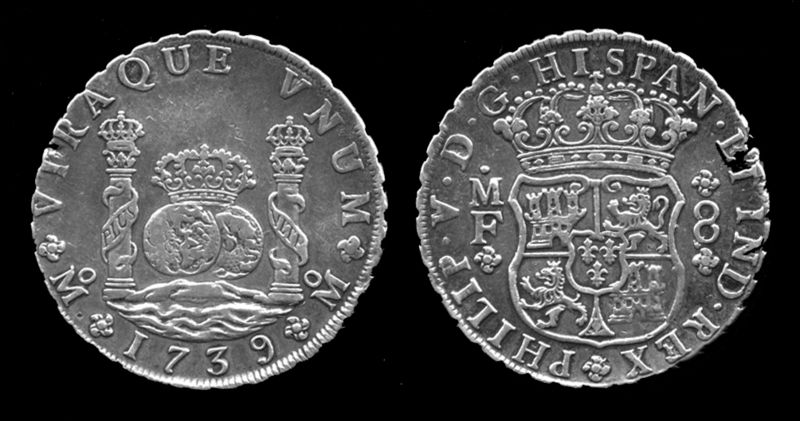
You were walking a Florida beach after a storm, and something dark and surprisingly heavy turned up in the sand. Maybe it is a modern coin. Maybe it is a worn washer. And maybe, on this particular coast, it is a piece of eight that has been in the ocean since 1715. What you do in the next hour matters, because the most common mistakes happen right at the start. Here is a calm order of operations.
First: stop, and do not clean it
The single worst thing you can do to a possible treasure coin is clean it. It feels natural to rub off the crust and see what is underneath, but on a sea-found coin that crust and toning are part of its worth, and a genuine shipwreck coin that has been scrubbed or dipped can lose a large share of its worth in seconds. Conservators clean these coins with specialist methods for a reason. Leave yours exactly as it came out of the sand.
While you are resisting the urge to polish, do two useful things. Note exactly where you found it, as precisely as you can, and take clear photographs of both sides in good light. Location and honest photos help with both identification and any question of ownership later.
Is it real? Quick checks
Most beach finds are modern junk, so a few simple tests save a lot of excitement. None needs cleaning.
- Weight and size. A Spanish 8 reales is near 27 grams and about 38 to 40 millimeters across, larger and heavier than a US quarter. A gold coin is smaller but very dense. A featherweight disc is almost surely not silver.
- Magnet. Silver and gold are not magnetic. If the coin jumps to a magnet, it is base metal, and not a Spanish treasure coin.
- The design. Look for a crowned shield, or two pillars with waves, or a cross with lions and castles. Hand-struck coins have uneven relief and honest, slightly crude detail. Machine-perfect, identical detail on a supposedly old coin is a warning sign.
If it passes these, it is worth a proper look. Our guide to identifying a Spanish colonial coin walks through the mint mark, assayer, denomination, and date that name the coin.
Florida find law, in plain terms
This is where you have to be careful, and where we will not pretend to give you legal advice. Florida takes its underwater heritage seriously. Artifacts on state-owned submerged lands can belong to the state, and many wreck sites along the Treasure Coast are covered by salvage leases held by companies such as the 1715 Fleet salvors, which means material from those areas is not simply finders-keepers. Reports of the state’s share of recovered treasure and of custodianship over specific wreck zones are common, and the details depend on exactly where an object was found and under what conditions.
Because the rules turn on those specifics and can change, the responsible step is to verify before you act. The Florida Division of Historical Resources is the state authority on archaeological and historic finds, and it is the right first stop to understand what you may keep, what must be reported, and what the law requires for the spot where you were standing.
Who to contact
Once you have photos and a location and you have left the coin alone, line up the right help. For identification and an honest opinion on authenticity, a reputable coin dealer or professional numismatist is the place to start, and a recognized third-party grading service is worth it if the coin may be genuine and worth real money. For questions about the law and any protected wreck, contact the Florida Division of Historical Resources. The treasure and salvage museums on the Treasure Coast, including the McLarty museum near Sebastian Inlet, can also point you toward knowledgeable people.
Handled in this order, a lucky find stays a lucky find. Rushed, cleaned, and sold blind, it can turn from a documented treasure coin into a scrubbed piece of anonymous silver. Slow down, keep it as found, learn what it is, and check the rules. Then enjoy it.
Sources
Frequently asked questions
Should I clean a coin I found on the beach?
No. Cleaning is the most common way people destroy the value of a sea-found coin. Harsh scrubbing or chemical dips strip the surface and remove the honest look of a salvaged coin, which can cut its worth sharply. Leave it exactly as found and get advice first.
How do I know if my beach find is a real Spanish coin?
Check weight, size, and magnetism. A real 8 reales is near 27 grams and about 38 to 40 millimeters, and silver is not magnetic, so a coin that sticks to a magnet is base metal. Look for a crowned shield or two pillars and hand-struck, uneven detail. For certainty, have it examined by a professional.
Can I keep a coin I found on a Florida beach?
It depends on where you found it. On many public beaches a small surface find may be yours, but artifacts in Florida state waters can belong to the state, and salvage leases cover many wreck areas. Verify the current rules with the Florida Division of Historical Resources before you assume it is yours.
Who can identify or value a Florida beach coin?
Start with a reputable coin dealer or professional numismatist for identification, and a recognized third-party grading service if it may be genuine and worth real money. Local treasure and salvage museums on the Treasure Coast can also point you to the right people.
What is the first thing to do when I find a coin?
Stop and record. Note exactly where you found it, take clear photos, and do not clean it. Then work on identifying it and, if it may have come from a protected wreck or state waters, check the law before you go further.
Verify the law before you act. Rules on beach and underwater finds in Florida change and depend on exactly where you found the object. Artifacts in state waters can belong to the state, and salvage leases cover many wreck sites. Before keeping, cleaning, or selling any find, confirm the current law with the Florida Division of Historical Resources. This page is general information, not legal advice.